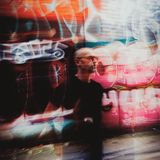
Wittak
UK garage, two-step, speed garage and bassBrooklyn UK garage scene
one night in New York in the last year · based in Manchester
The night
Nothing listed ahead in New York.
- Fri 13 Nov 2026BK Loves UKG Monthly PartyThe Gutter · Adrian Nienaber, Brooklyn Loves UKGwith Scribble · Lovelydaze · sp8ace.kadet · Lord of Ciphers
About
Wittak's relationship with bass-heavy electronic music began during the mid-1990s, when he jointly promoted parties across the East and West Midlands whilst holding down resident duties. During this period, he supported artists including James Holroyd (Bugged Out), Luke Slater (Planetary Assault Systems), Billy Nasty, and Kris Needs (Secret Knowledge), developing his understanding of the UK underground scene through these minimal techno sounds.
Working the decks in Derby, where Renaissance nights featured the likes of Sasha and Digweed as regulars, Wittak developed his foundation in house and techno whilst simultaneously exploring breakbeat, jungle, and the nascent broken beat movement.
Inspired by DJ Producers like Jeff Mills and Carl Cox who “often layered another deck or two in," he recalls, would eventually shape his artistic direction, pushing him towards technical complexities and genre-crossing experimentation.
Wittak took a break from the decks for a number of years before relocating to London in 2017, when the city's burgeoning underground jazz scene sucked him in during a period of creative ferment particularly in jazz and its electronic crossovers. Venues like Brilliant Corners, Jazz Café, Café OTO, and Phonox became regular haunts. The music spilling out of these rooms felt urgent and necessary. Young musicians were rewriting the rules, blending spiritual jazz with grime, broken beat with hip hop, dub with electronica. The energy was collaborative rather than competitive, with players moving between projects and genres without hesitation.
It was around this time that Wittak also channelled his relationship with music into writing. He documented the gigs he attended, attempting to capture in words what these performances meant. The practice sharpened his understanding of narrative structure and emotional arc, skills that would later inform how he constructed sets.
Wittak's focus fully back to DJing shortly after came with a clearer sense of direction. The years away had granted perspective. He describes it as a period of soul searching that underscored his need to find new and obscure things, to avoid the formulaic and conventional, to seek the challenge. His sound developed into something recognisable: genre clashes, pairings of old school classics with contemporary cuts, and carefully crafted transitions that treat the mixer as a musical instrument. Modern mixers with sophisticated digital signal processing opened new creative possibilities.
The technical capability matters, but so does the artistic vision behind it. Long blends, sharp edits, and moments designed to resonate beyond the set itself define his approach. He's looking for those pearls where a call in one track finds its response in another, building bridges between eras and genres that shouldn't work on paper but prove undeniable on the dancefloor.
Holding sets around 135-140 BPM, Wittak navigates house, broken beat, breaks, electro, jungle, 2-step, and dub. He favours syncopated rhythms over rigid four-to-the-floor structures, incorporating breakbeats, broken beats, and swing. Rather than building a single arc from start to finish, he constructs multiple narratives, typically three, four, or even five distinct sections across a set. Each section has its own trajectory, its own purpose, creating a listening experience that constantly shifts and evolves whilst maintaining coherent thread.
This architectural approach to set construction came from years of listening and learning, from understanding that the best journeys aren't straight lines but collections of connected experiences. He searches for unexpected connections, particularly looking for long blends between new cuts and classic tunes.
Drawing inspiration from visionaries like Aphex Twin, Squarepusher, and Mala, Wittak has developed a particular approach. He's called the first two the jazz masters of electronic music. Tom Jenkinson's outstanding musicianship and Richard D. James's production genius represent one side of his influences, whilst Mala's control of bass and space represents another. What connects all three is their willingness to cross genres and their attention to detail. These qualities inform how Wittak constructs his own sets, seeking the same freedom to move between styles whilst maintaining coherent sonic vision.
Wittak won Decoded Magazine's Mix of the Month competition in December 2025, then soon after claimed Mix of the Year in the public vote weeks later, it provided useful exposure. His initial motivation for entering was feedback and networking, wanting to understand how his mixes worked for listeners outside club environments. The competition pushed him to refine his technique whilst connecting him with DJs and listeners internationally. The winning mix showed his approach: a studio recording collating the best of live sets played across three consecutive weeks at the end of 2025, each night with different parameters and visions.
Wittak works within a vibrant regional collective in the North of England on the Welsh Borders. For him, art and community are inseparable, creating the memories and journeys that give music its meaning. This sense of community shapes his approach. When stories resonate with others, that's when something special gets built. It's an approach developed across thirty years of experience and technical development. His sets balance bass weight with clarity through frequency management, pairing classic tracks with contemporary cuts.
His sets have been described as “explorations of bass music, delivering energy and unpredictability”. His understanding is that the best DJs don't just play records, they create experiences. He plays with energy, tangents, surprises, and moods. When you grab the listener or dancer with something, they're in for the ride, regardless of when or where they're listening.
Labels whose output consistently aligns with his vision include Hyperdub, Warp, AD93, Houndstooth, Astrophonica, Deep Medi, Pineapple, Yam, and Aquarii.
Their Resident Advisor profile, in full and unedited. Change, free form, unpredictability, bass, and mood. After thirty years, that's a fair summary of his work.